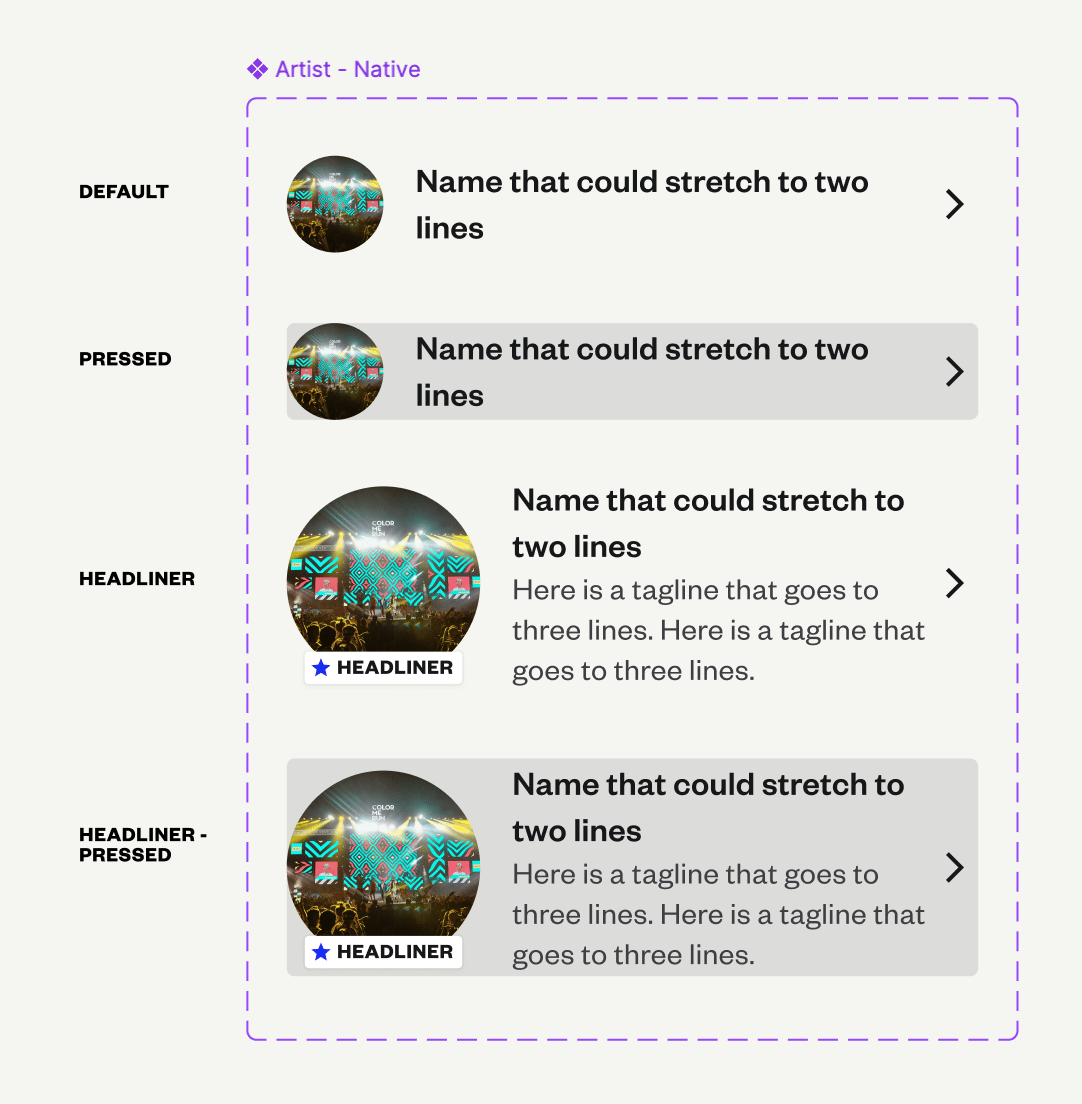
Eventbrite Artist

Component

A new Eventbrite event page component made event listings easier to view and use, leading to a 14% increase in paid ticket sales for music events.

Foundations

Music events are some of the most popular events on the Eventbrite platform with 1.38 million tickets sold per month. After pivoting away from music during the COVID-19 pandemic, the company jumped back into the space, trying to capture small and medium-sized venues throughout the United States and beyond.


This was hindered by capabilities of the platform. Before the Lineup component, creators struggled singling out artists within lineups for their event’s, especially headliners. Workarounds existed, but the experience was suboptimal. Other capabilities such as linking to a band’s social media and Spotify profile were also lacking. During the early part of 2025, our team aimed to solve for this problem, and improve the music experience for creators and consumers.
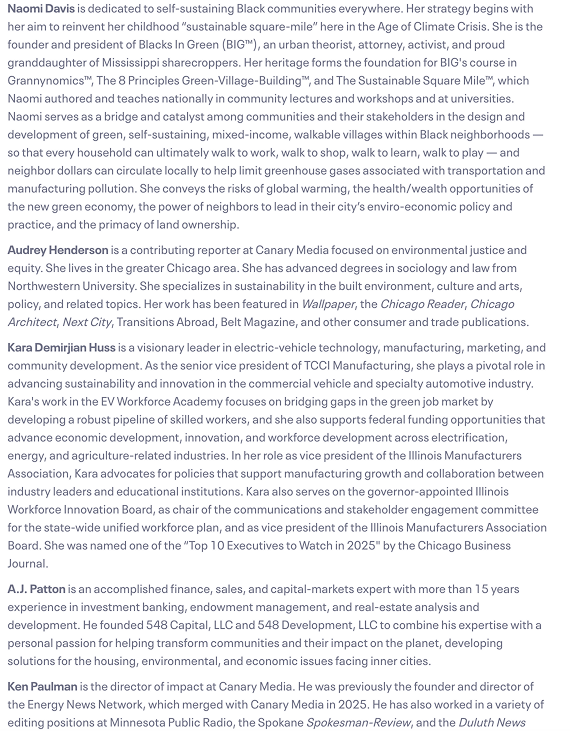
This is a business example, but notice the big wall of text that is hard for consumers to tell what the lineup is.

Who we were solving for
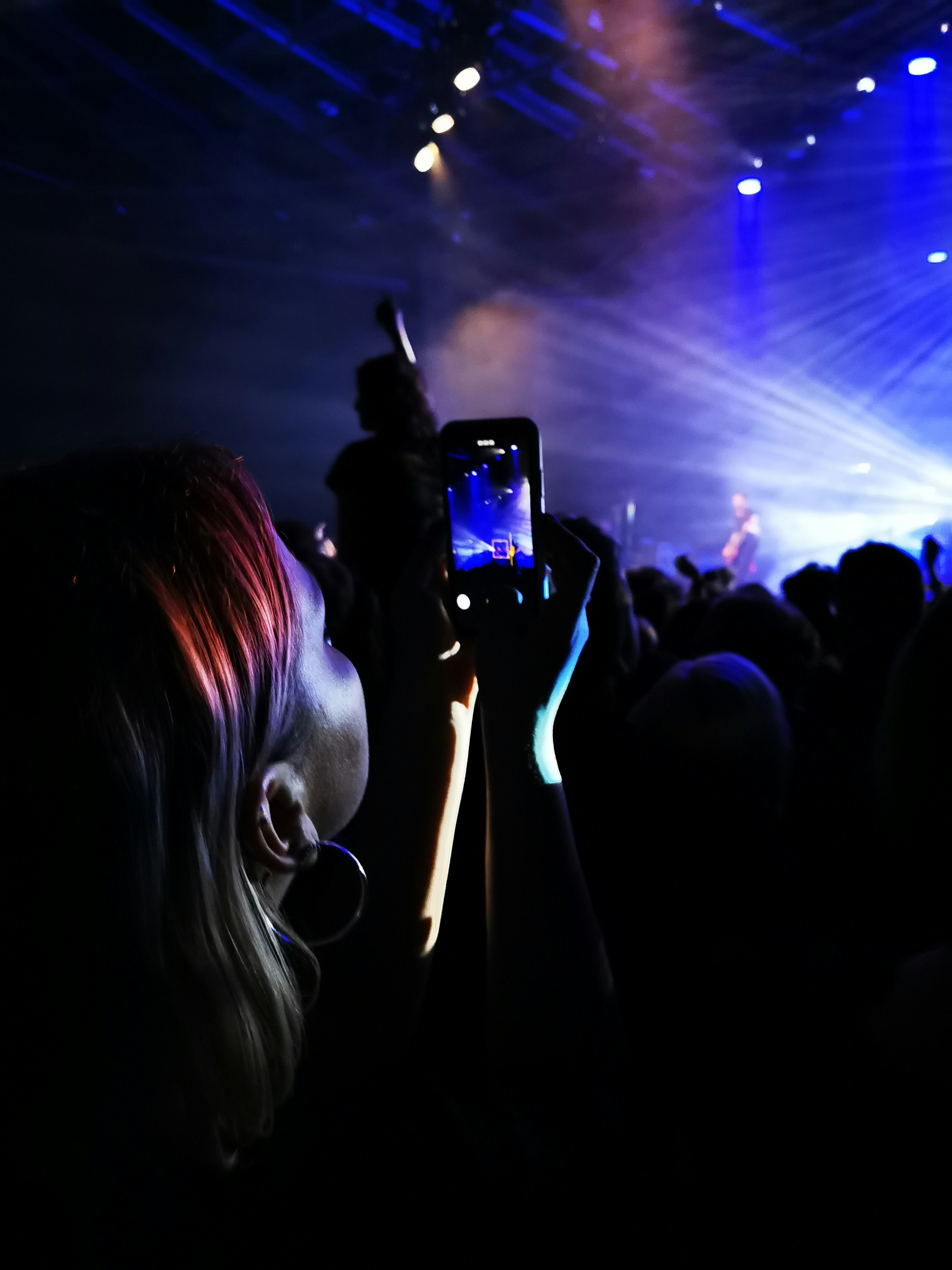
A picture of a concertgoer with a phone

Social scouts

Social scouts are the main drivers of Eventbrite. They are constantly looking for stuff to do in their area and beyond. They often pull together friends and family to attend events with them. They are curious, open-minded, and want to explore what’s out there.


Our project aimed to simplify the event listing page experience for Social Scouts. It aimed to allow them to skim through event listings quickly, easily, and confidently. The new Lineup component also aimed to allow them to have a better idea of what to expect from an event and have the confidence to recommend it to friends and family.

Entering Halfway through and Incomplete Requirements

I came into this project halfway through. Due to company layoffs, this project needed a designer to come and finish out the work. The project was initially sent my way as seeing through some visual QA as the developers completed the project.


The team included a product manager, product operations partner, and two developers. As I reviewed the designs and the product resource document, I didn’t think we were going to ship a viable product to consumers. There were visual design quality assurance and strategy issues like not releasing anything on our new app. Together with product operations, we pitched weekly meetings to review UX bugs and committing resourcing to build our Lineup component on app surfaces. After discussions and assurances that we could accomplish this in a timely manner, we got the approval. I got to work on the native experience.

Reviewing Research and Initial Explorations

Based on previous usability testing, I felt comfortable with the direction on the creator and consumer aspects of the project. Users expressed a clear need being solved through this component, and more than just music use cases were apparent. Event types like business were also mentioned. I moved to incorporate this use case in my explorations as well.

Early designs
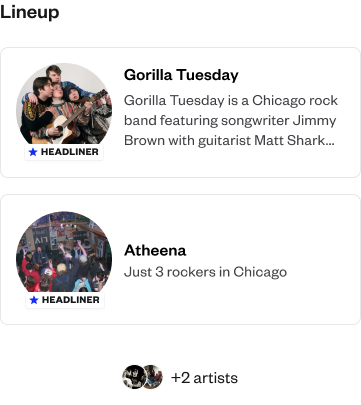
My early explorations focused on trying to weigh visually how to represent the entire lineup and the headliners. I worked with our cross-functional team and our design system team to solicit feedback. Ultimately what moved me away from these designs was quantitative data we pulled about the types of lineups people put together (smaller), and more space needed for headliner description text.

Example 1 of music lineup exploration. Shows 2 headliners and a small treatment for other artists.
Example 2 of artist component explorations. Shows 2 rows of rectangular artists all the same size.
The final exploration of the lineup component. This one shows rectangular boxes with keynote speakers getting more space than other speakers.

Introducing the Component

One of the small asks in addition to native designs was to introduce the component on our web platform. I wanted to push myself more into motion and Lottie Files, so I created motion designs introducing the Lineup component to all creators. Check it out below.

Final and Future Designs

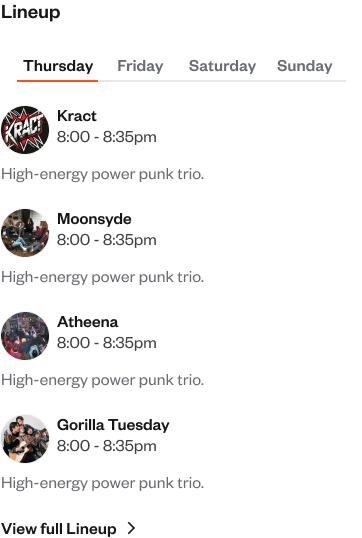
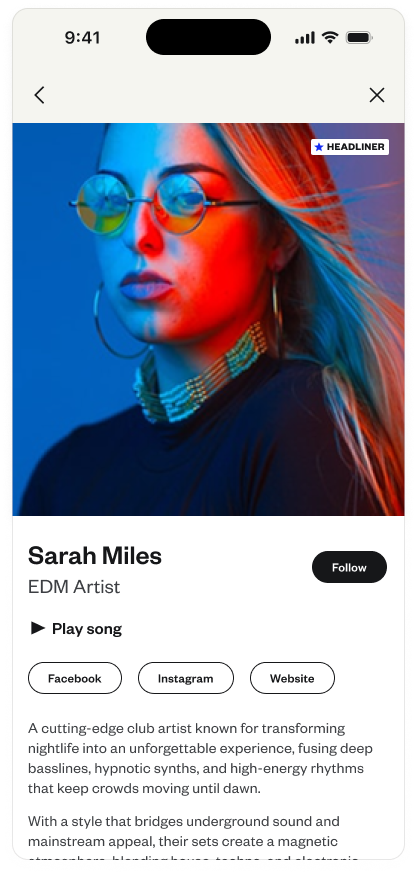
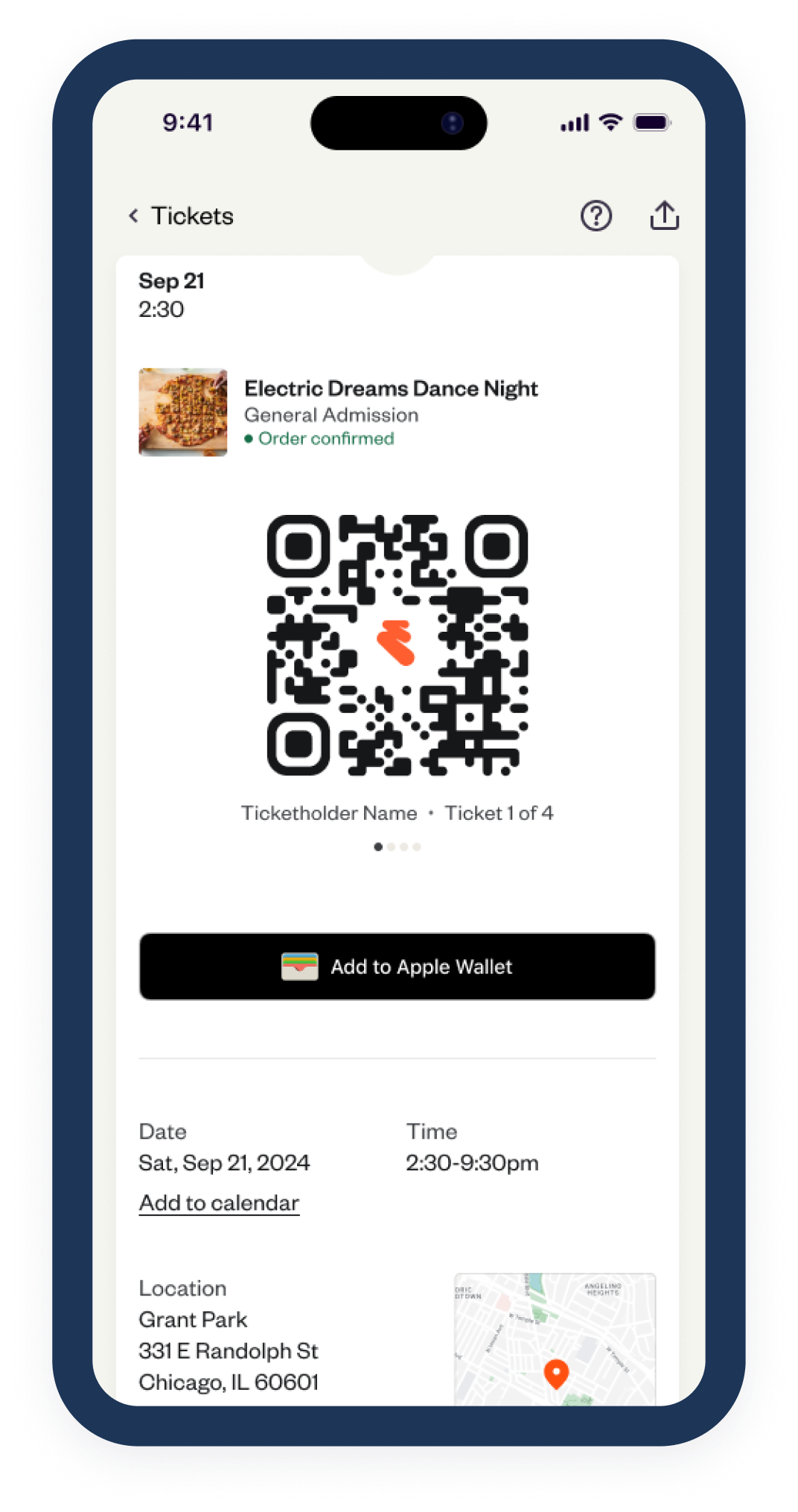
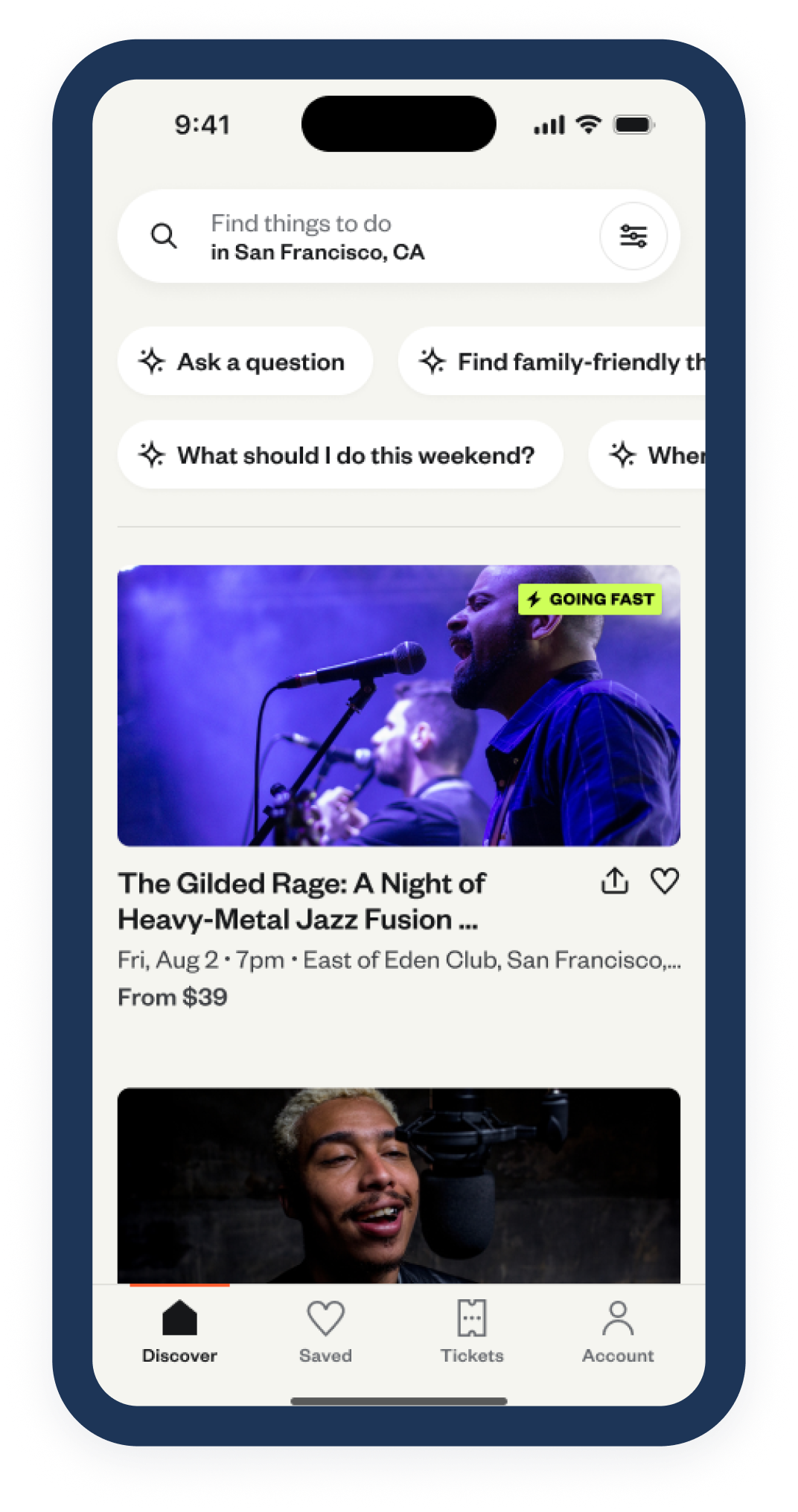
The Artist Component came out and immediately made an impact. Music and Business events are easier to scan, and the positive are showing up in our data. Since the release, music events have a 14% paid ticket sales increase compared to before the release of this component. Check out the final designs, some future ideas, and a video of how it looks on an Eventbrite event listing page.

Results:

  • 14% increase in paid ticket sales for music events
  • 8% increase in paid tickets for all events
  • Contributed towards a 17% increase in GTF in music events

More projects

Eventbrite Categories

Explore

Eventbrite New Search

Explore

Hilton Meetings & Events

Explore

Eventbrite Artist Component

A new Eventbrite event page component made event listings easier to view and use, leading to a 14% increase in paid ticket sales for music events.

Foundations

Music events are some of the most popular events on the Eventbrite platform with 1.38 million tickets sold per month. After pivoting away from music during the COVID-19 pandemic, the company jumped back into the space, trying to capture small and medium-sized venues throughout the United States and beyond.


This was hindered by capabilities of the platform. Before the Lineup component, creators struggled singling out artists within lineups for their event’s, especially headliners. Workarounds existed, but the experience was suboptimal. Other capabilities such as linking to a band’s social media and Spotify profile were also lacking. During the early part of 2025, our team aimed to solve for this problem, and improve the music experience for creators and consumers.

This is a business example, but notice the big wall of text that is hard for

consumers to tell what the lineup is.

Who we were solving for

A picture of a concertgoer with a phone

Social scouts

Social scouts are the main drivers of Eventbrite. They are constantly looking for stuff to do in their area and beyond. They often pull together friends and family to attend events with them. They are curious, open-minded, and want to explore what’s out there.


Our project aimed to simplify the event listing page experience for Social Scouts. It aimed to allow them to skim through event listings quickly, easily, and confidently. The new Lineup component also aimed to allow them to have a better idea of what to expect from an event and have the confidence to recommend it to friends and family.

Entering Halfway through and Incomplete Requirements

I came into this project halfway through. Due to company layoffs, this project needed a designer to come and finish out the work. The project was initially sent my way as seeing through some visual QA as the developers completed the project.


The team included a product manager, product operations partner, and two developers. As I reviewed the designs and the product resource document, I didn’t think we were going to ship a viable product to consumers. There were visual design quality assurance and strategy issues like not releasing anything on our new app. Together with product operations, we pitched weekly meetings to review UX bugs and committing resourcing to build our Lineup component on app surfaces. After discussions and assurances that we could accomplish this in a timely manner, we got the approval. I got to work on the native experience.

Reviewing Research and Initial Explorations

Based on previous usability testing, I felt comfortable with the direction on the creator and consumer aspects of the project. Users expressed a clear need being solved through this component, and more than just music use cases were apparent. Event types like business were also mentioned. I moved to incorporate this use case in my explorations as well.

Early designs
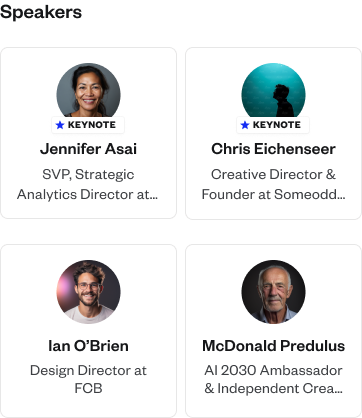
My early explorations focused on trying to weigh visually how to represent the entire lineup and the headliners. I worked with our cross-functional team and our design system team to solicit feedback. Ultimately what moved me away from these designs was quantitative data we pulled about the types of lineups people put together (smaller), and more space needed for headliner description text.

Example 1 of music lineup exploration. Shows 2 headliners and a small treatment for other artists.
Example 2 of artist component explorations. Shows 2 rows of rectangular artists all the same size.
The final exploration of the lineup component. This one shows rectangular boxes with keynote speakers getting more space than other speakers.

Introducing the Component

One of the small asks in addition to native designs was to introduce the component on our web platform. I wanted to push myself more into motion and Lottie Files, so I created motion designs introducing the Lineup component to all creators. Check it out below.

Final and Future Designs

The Artist Component came out and immediately made an impact. Music and Business events are easier to scan, and the positive are showing up in our data. Since the release, music events have a 14% paid ticket sales increase compared to before the release of this component. Check out the final designs, some future ideas, and a video of how it looks on an Eventbrite event listing page.

Results:

  • 14% increase in paid ticket sales for music events
  • 8% increase in paid tickets for all events
  • Contributed towards a 17% increase in GTF in musicevents

More projects

abstract painting

Eventbrite Categories

Explore

Eventbrite New Search

Explore

Hilton Meetings & Events

Explore

Eventbrite Artist Component

A new Eventbrite event page component made event listings easier to view and use, leading to a 14% increase in paid ticket sales for music events.

Foundations

Music events are some of the most popular events on the Eventbrite platform with 1.38 million tickets sold per month. After pivoting away from music during the COVID-19 pandemic, the company jumped back into the space, trying to capture small and medium-sized venues throughout the United States and beyond.


This was hindered by capabilities of the platform. Before the Lineup component, creators struggled singling out artists within lineups for their event’s, especially headliners. Workarounds existed, but the experience was suboptimal. Other capabilities such as linking to a band’s social media and Spotify profile were also lacking. During the early part of 2025, our team aimed to solve for this problem, and improve the music experience for creators and consumers.

This is a business example, but notice the big wall of text that is hard for

consumers to tell what the lineup is.

Who we were solving for

Social scouts

Social scouts are the main drivers of Eventbrite. They are constantly looking for stuff to do in their area and beyond. They often pull together friends and family to attend events with them. They are curious, open-minded, and want to explore what’s out there.


Our project aimed to simplify the event listing page experience for Social Scouts. It aimed to allow them to skim through event listings quickly, easily, and confidently. The new Lineup component also aimed to allow them to have a better idea of what to expect from an event and have the confidence to recommend it to friends and family.

A picture of a concertgoer with a phone

Entering Halfway through and Incomplete Requirements

I came into this project halfway through. Due to company layoffs, this project needed a designer to come and finish out the work. The project was initially sent my way as seeing through some visual QA as the developers completed the project.


The team included a product manager, product operations partner, and two developers. As I reviewed the designs and the product resource document, I didn’t think we were going to ship a viable product to consumers. There were visual design quality assurance and strategy issues like not releasing anything on our new app. Together with product operations, we pitched weekly meetings to review UX bugs and committing resourcing to build our Lineup component on app surfaces. After discussions and assurances that we could accomplish this in a timely manner, we got the approval. I got to work on the native experience.

Reviewing Research and Initial Explorations

Based on previous usability testing, I felt comfortable with the direction on the creator and consumer aspects of the project. Users expressed a clear need being solved through this component, and more than just music use cases were apparent. Event types like business were also mentioned. I moved to incorporate this use case in my explorations as well.

Early designs
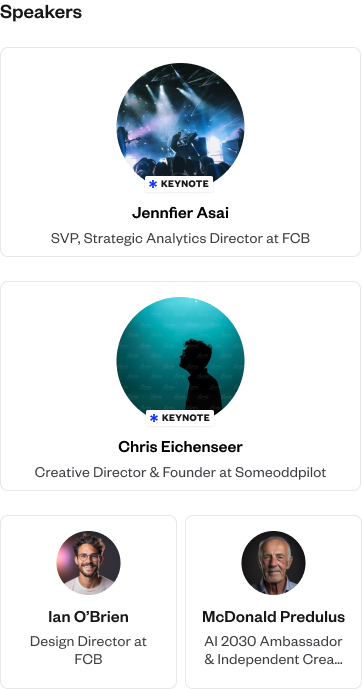
Example 1 of music lineup exploration. Shows 2 headliners and a small treatment for other artists.
Example 2 of artist component explorations. Shows 2 rows of rectangular artists all the same size.
The final exploration of the lineup component. This one shows rectangular boxes with keynote speakers getting more space than other speakers.

My early explorations focused on trying to weigh visually how to represent the entire lineup and the headliners. I worked with our cross-functional team and our design system team to solicit feedback. Ultimately what moved me away from these designs was quantitative data we pulled about the types of lineups people put together (smaller), and more space needed for headliner description text.

Introducing the Component

One of the small asks in addition to native designs was to introduce the component on our web platform. I wanted to push myself more into motion and Lottie Files, so I created motion designs introducing the Lineup component to all creators. Check it out below.

Final and Future Designs

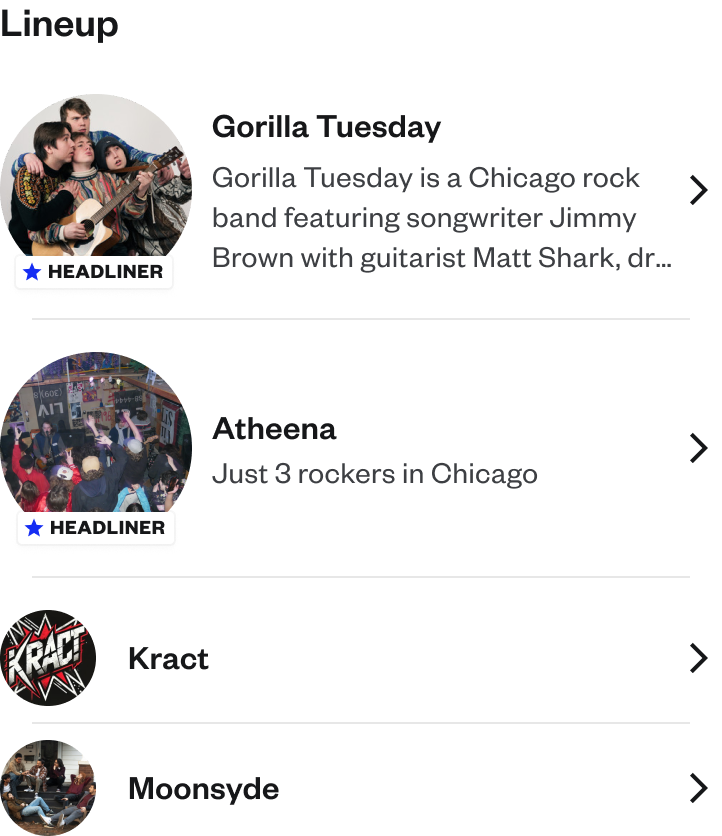
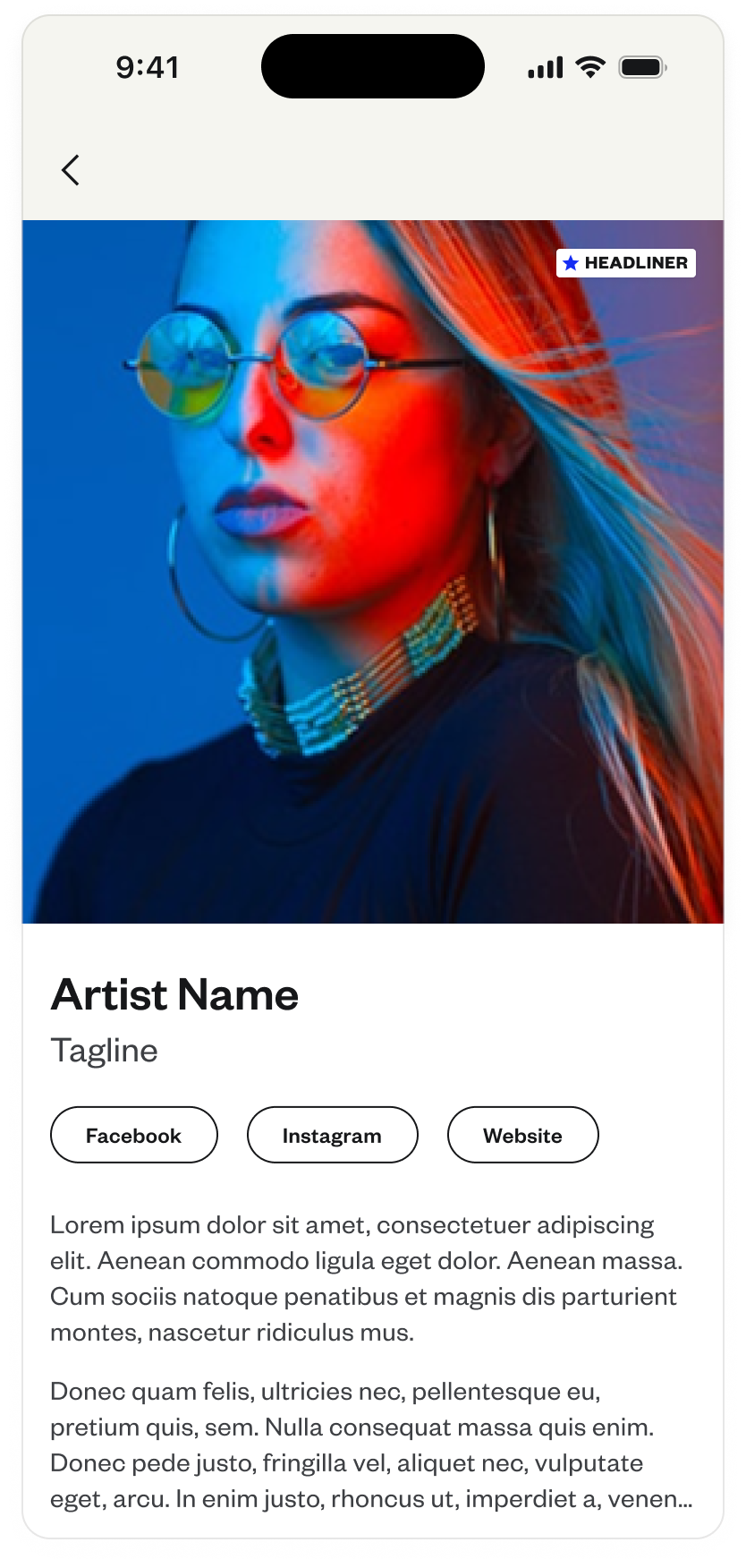
The Artist Component came out and immediately made an impact. Music and Business events are easier to scan, and the positive are showing up in our data. Since the release, music events have a 14% paid ticket sales increase compared to before the release of this component. Check out the final designs, some future ideas, and a video of how it looks on an Eventbrite event listing page.
Results:

  • 14% increase in paid ticket sales for music events
  • 8% increase in paid tickets for all events
  • Contributed towards a 17% increase in GTF in music events
More projects

abstract painting

Eventbrite Categories

Explore

magazine spread

Eventbrite New Search

Explore

Hilton Meetings & Events

Explore